Gutters in Columbus, Ohio
Gutters carry rain off the roof edge and away from the walls and foundation. When they sag, leak or overflow, water can rot the fascia and the roof edge and pool against the house. This site explains gutter work and the published prices; it does not install or repair gutters.
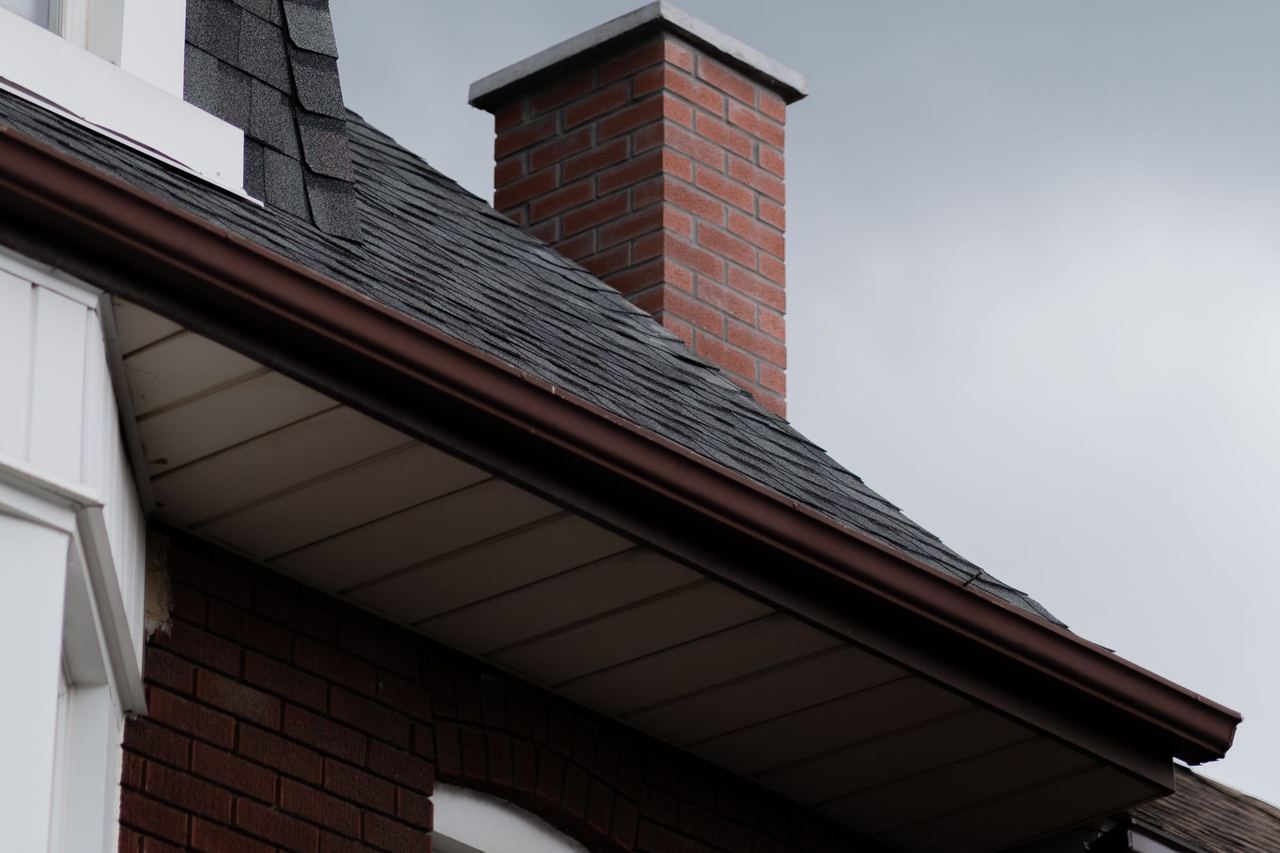
Signs gutters need attention
Most are easiest to see during or just after a heavy rain.
- Water spilling over the edge instead of reaching the downspouts.
- Gutters pulling away from the fascia, or sagging between hangers.
- Drips from seams and corners, or rust and cracks along the run.
- Peeling paint or soft wood on the fascia behind the gutter.
- Washed-out soil or standing water near the foundation under a downspout.
How gutter work usually goes
A written estimate should say which of these are included.
- Measure and plan. The installer measures the runs and plans slope and downspout locations.
- Check the fascia. Rotted fascia board is usually replaced before new gutters are hung.
- Hang the gutters. Seamless or sectional gutters are fastened with hangers and pitched toward the downspouts.
- Downspouts and extensions. Downspouts are set to carry water away from the foundation.
- Test. The installer runs water through the system to check for leaks and standing water.
What it costs
Angi says “the national average gutter installation cost is $1,182,” with most homeowners paying between $629 and $1,736. This Old House says gutters cost $3 to $29 per linear foot, with most homeowners paying $600 to $5,800 total for a 2,000-square-foot home. Material, length and the number of stories move the price most.
Published roofing cost figures, with sources
Gutters, roofs and Columbus rules
Gutters are often replaced with the roof, because the drip edge and the roof edge are opened up at the same time. If you are replacing a roof, ask whether the estimate includes the gutters, and whether they are being reused.
The city also says that “All contractors performing work within the city are required to obtain the appropriate license or registration before they can apply for permits and begin the job,” and its contractor-license page lists “Residential roofing” among the scopes of a home improvement limited contractor license.
Whether gutter work alone needs a permit depends on the city or township. Ask your building office. The service areas page links to each one around Columbus.
Questions to ask a roofer
Ask these before you sign anything. Write the answers down, or ask for them in the written estimate.
- Seamless or sectional, and what material and size?
- Will you replace rotted fascia, and how is that priced?
- Where will the downspouts go, and where will the water end up?
- Are guards included, and do they affect any warranty?
- What warranty comes with the gutters and the labor, in writing?
Related pages
Questions and answers
Should gutters be replaced at the same time as the roof?
It is often convenient, because the roof edge and drip edge are opened up anyway. It is not always needed. If the gutters are sound, a roofer may reinstall them. Ask for the choice to be written into the estimate.
What is the difference between seamless and sectional gutters?
Seamless gutters are formed on site in long runs, so they have joints only at corners and downspouts. Sectional gutters come in shorter pieces joined together, so they have more seams that can leak over time.
Why does water pool near the foundation under a downspout?
The downspout may end too close to the house, the extension may be missing, or the ground may slope toward the wall. A gutter installer can extend or reroute the downspout so water drains away.
Sources
- Angi, “How Much Does Gutter Installation Cost?”
- This Old House, “Gutter Installation Cost in 2026”
- City of Columbus: Contractor Licenses
Last reviewed